MRO (maintenance, repair and operations) inventory is different from production stock. Items are often slow-moving, but when a machine breaks down, the right spare has to be on the shelf immediately. This guide covers the common problems in MRO stores and how to fix them.
What counts as MRO inventory?
- Spare parts: bearings, seals, belts, filters, motors
- Consumables: lubricants, fasteners, fittings, electrical spares
- Tools and equipment used for maintenance
- Safety supplies and PPE
Common MRO inventory problems
- Unrecorded withdrawals. Engineers take parts during a breakdown, often out of hours, and the record isn’t updated.
- Duplicate and obsolete stock. The same part is stored under different numbers, or is kept for equipment that no longer exists.
- Over-ordering “just in case”. Low trust in the records leads to excess stock.
- Emergency purchases. A missing critical spare means expensive rush orders and longer downtime.
- No consumption data. Without usage history, stock levels can’t be set properly.
MRO inventory best practices
- Classify by criticality, not just value. A low-cost seal can stop a high-value line.
- Clean the item master. Remove duplicates and obsolete parts.
- Set min/max levels from usage, and review them regularly.
- Control access to critical and high-value spares.
- Record every withdrawal, including out-of-hours ones.
- Track usage by machine or department to plan maintenance budgets.
How smart storage helps
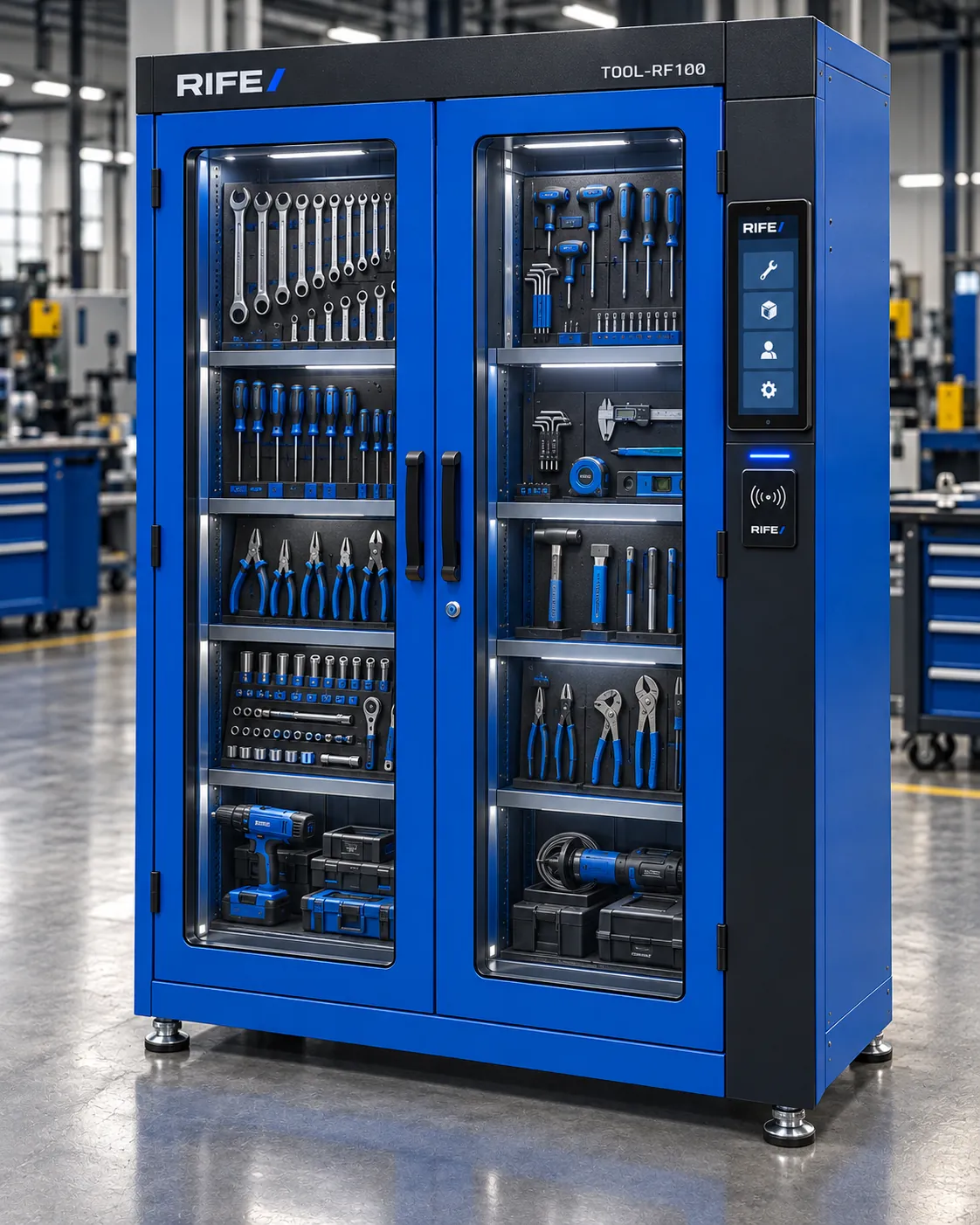
- Smart inventory cabinets open with an RFID card or PIN and record the quantity each user takes, so out-of-hours withdrawals are no longer lost.
- Weighing drawers count small fittings and fasteners per compartment.
- Smart shelves and racks monitor bulkier spares continuously.
- Software raises alerts when stock reaches minimum levels and shows usage by department.
Where to start
- List your 50–100 most critical spares.
- Move them into controlled, monitored storage first.
- Set minimum levels from usage history.
- Review the data after a month and extend the system to other areas.
See MRO & Spare Parts, Smart Inventory Cabinets and Weighing Drawers.