MEASURE
Compartment-level weighing
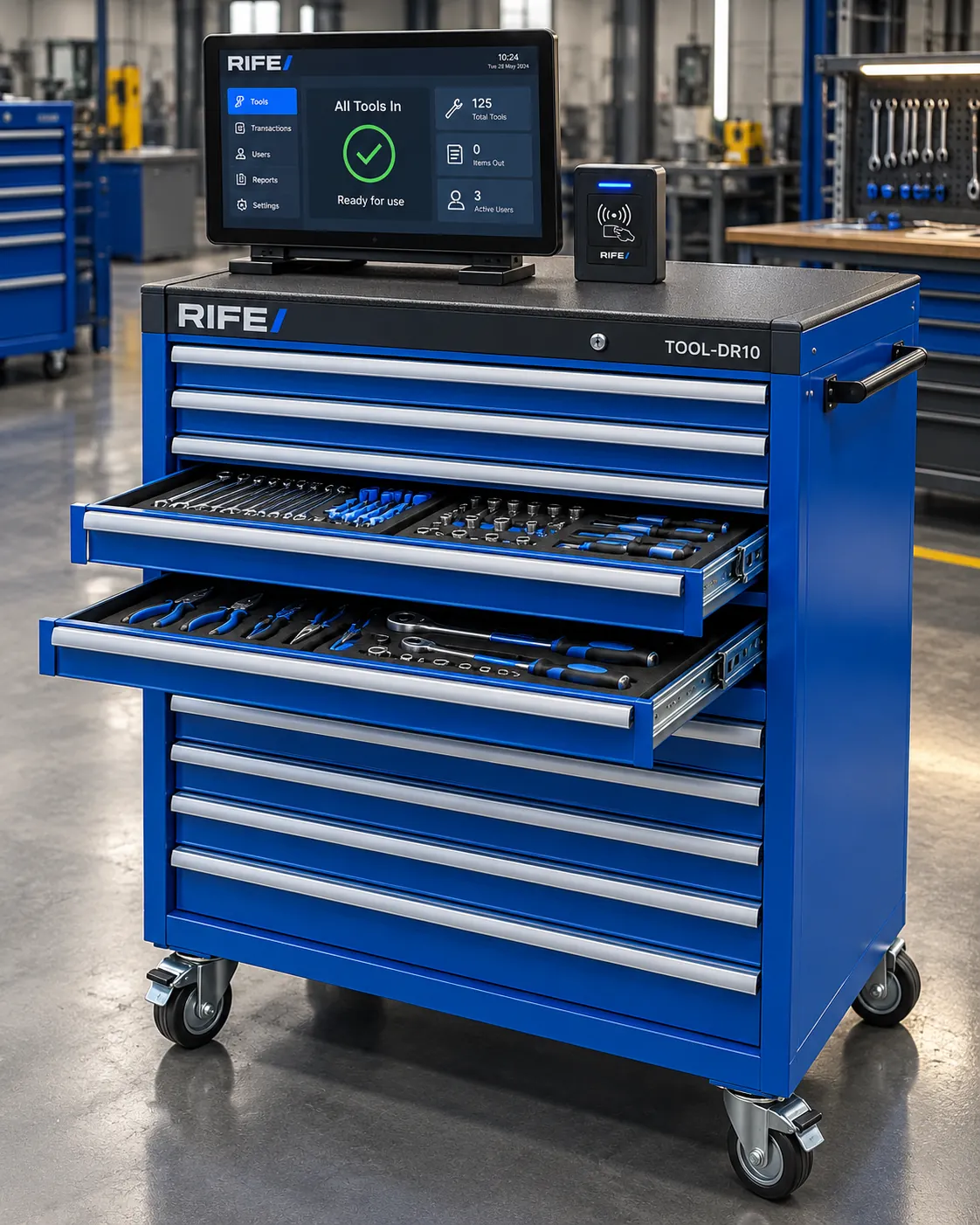
A measuring position can track a known item inside a divided drawer.
Bring inventory visibility into compact industrial drawers. Configure weighing positions for cutting inserts, small tooling and fasteners, with optional RFID/PIN-controlled cabinet access and usage records.
Illustrative
Keep high-use consumables in organized tool drawers and use calibrated weight monitoring to flag their consumption.
A measuring position can track a known item inside a divided drawer.
Secure drawers or cabinets with configured authorization.
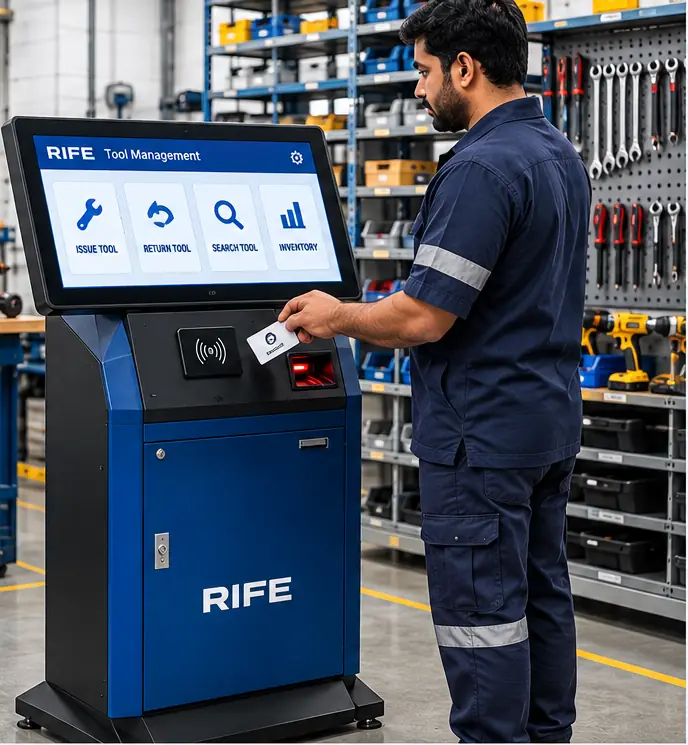
Record authorized sessions and relevant stock movements.
Bring organized tools and parts near production.
Cutting inserts, small bits and fasteners are numerous and time-consuming to count manually. A supported weighing compartment can measure changes in a known SKU and estimate what remains, helping stores staff prepare replenishment.
A locked cabinet can associate withdrawals with an authenticated user when the sensor, drawer and access sequence support reliable measurements. This can make high-value consumable tooling easier to manage across shifts.
Identify SKUs, unit weights and movement patterns.
Specify drawer heights, dividers and measuring zones.
Choose locking and reporting scope.
Calibrate representative materials and verify records.
Control inserts, bits and small cutting tools.
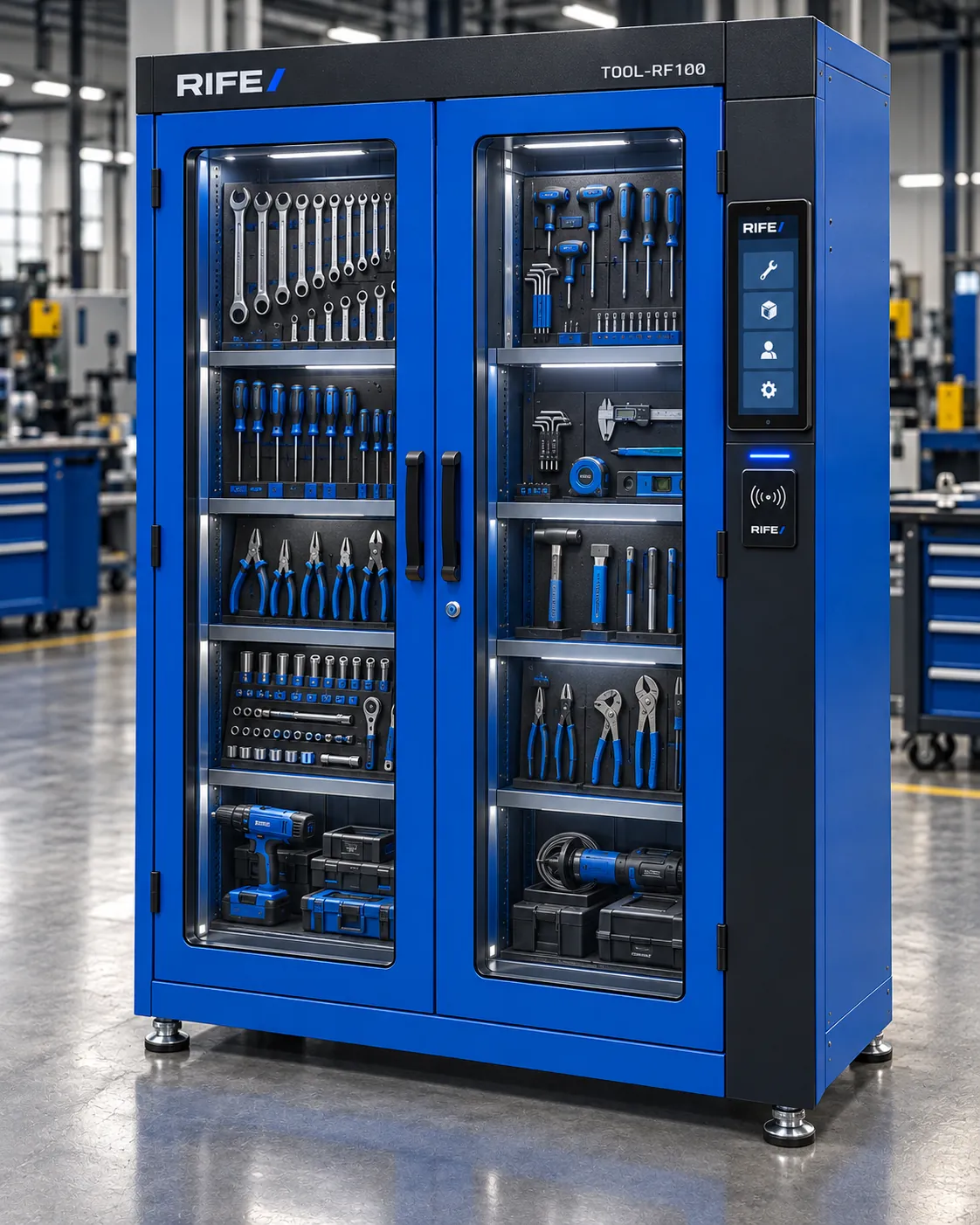
Organize appropriate tooling and maintenance consumables.
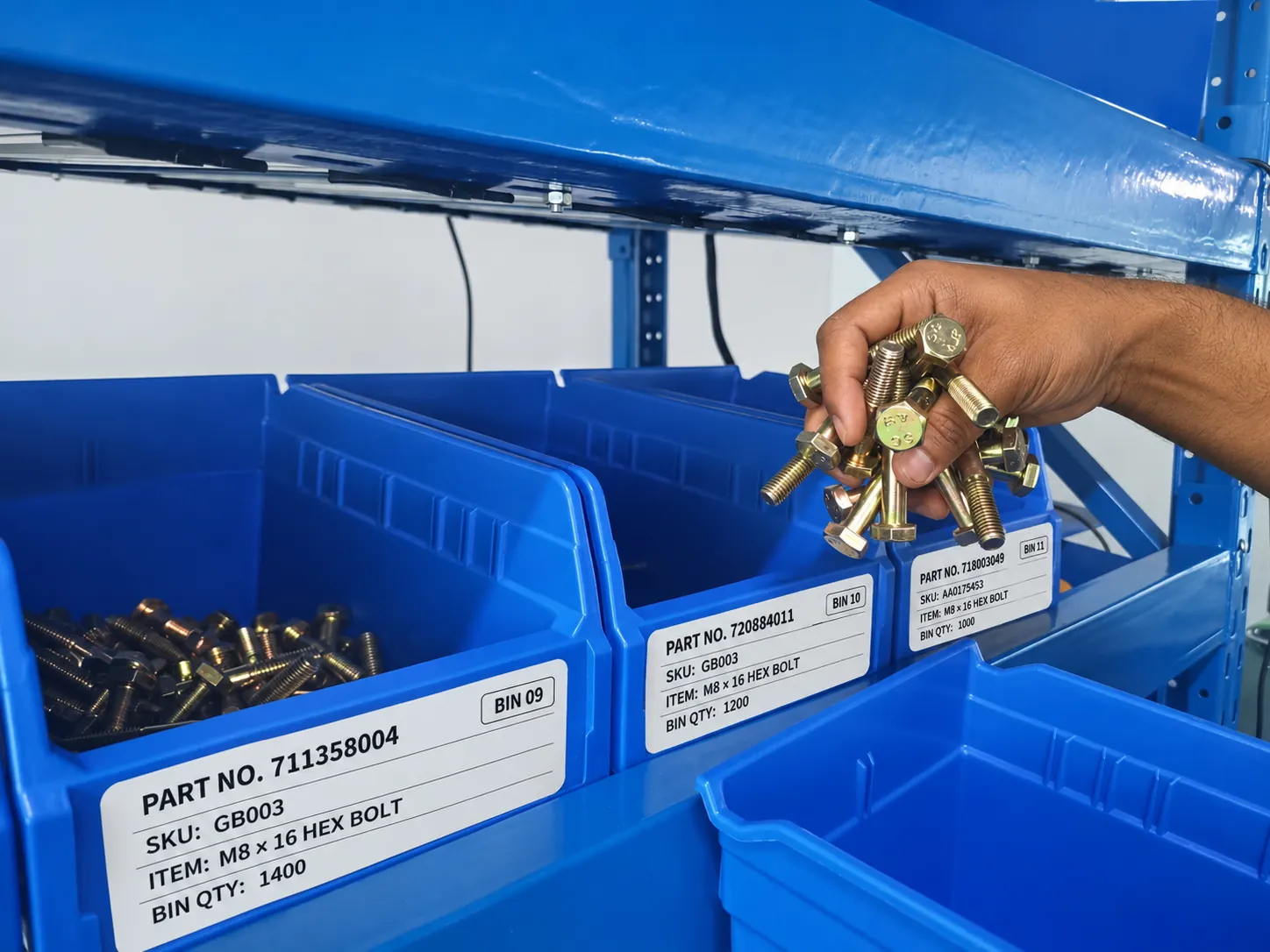
Monitor segmented small components.
Keep common parts near maintenance operations.
Choose storage hardware, interfaces and software around your site and item list.
Request a Configuration →| Option | Configuration |
|---|---|
| Drawers | Number, widths and heights configured per site |
| Dividers | Compartments configured for each item |
| Sensitivity | Selected after item and full-drawer weight review |
| Access | Individual or cabinet-level options by model |
| Load per compartment | Configured by item weights and intended stock |
| Software | Inventory and transaction modules scoped per workflow |
The smallest meaningful change depends on the chosen load cell and mechanical assembly. Representative tests are needed before quoting a minimum count size.
Individual-drawer and cabinet-level locking options depend on the model and approved hardware design.
Mixed materials complicate weight-based item identification; dedicated measuring zones are recommended.
A kiosk workflow can be scoped where supported by the selected drawer controller, software and issue/return process.
Share your stored materials, capacities, storage dimensions and operational needs for a project-specific discussion.