MRO & Spare Parts Inventory Management with Smart Storage
When a machine fails, the right spare part has to be on the shelf. ERGO smart cabinets, drawers and racks track MRO stock continuously and record who took what, so maintenance teams can trust the stores.
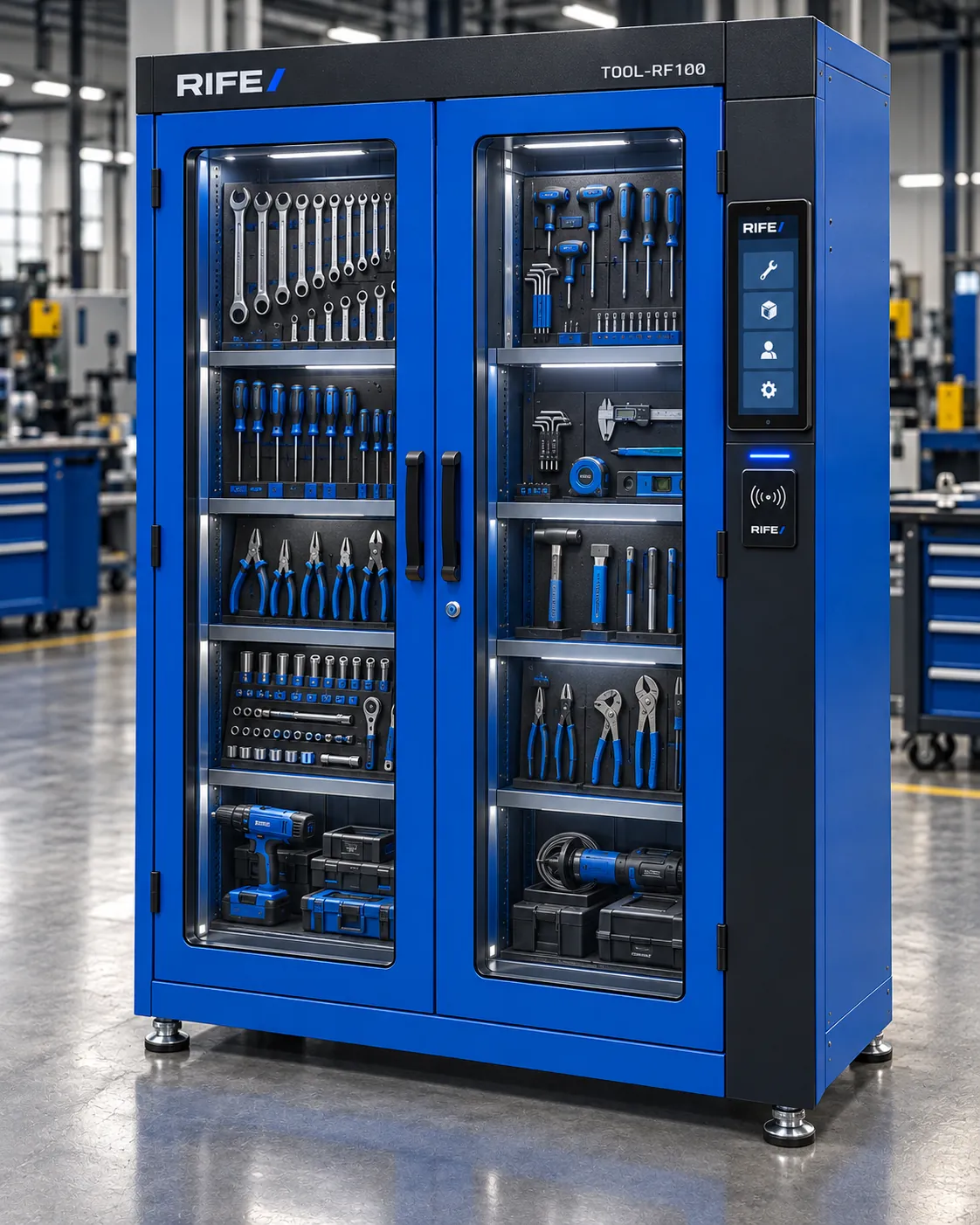
Maintenance stores hold thousands of slow-moving but critical items.
The problem:critical spares nobody is watching
Maintenance stores hold thousands of slow-moving but critical items. Withdrawals at night or during breakdowns often go unrecorded, so records drift until an emergency reveals a missing part, followed by expensive rush orders.
A maintenance store has a very different demand pattern from an assembly line. Some spares are rarely touched but become critical during an unplanned shutdown. The inventory system should make those stock positions visible continuously and keep controlled-access records where users remove material outside staffed stores hours.
What you can track
Treat spares by their physical characteristics and the record they need. A consistent pack of filters or seals may be suitable for weight-derived counting, while a mixed assortment of specialized bearings is not automatically identifiable from total weight. Reusable tools need individual issue-and-return records, which are separate from the consumption of maintenance parts.
- Bearings, seals, gaskets and O-rings
- Filters, belts and couplings
- Fasteners and fittings
- Electrical spares and fuses
- Lubricants and sealants in standard containers
- Safety consumables and PPE
How ERGO fits your maintenance stores
An access-controlled cabinet can authenticate an engineer before opening; weight measurement during a suitable exclusive session can associate a count change with that user. Monitored drawers can cover small predictable parts, while reinforced smart shelves are more appropriate for heavy, dedicated material positions. A tool crib can track identified returnable maintenance tools alongside consumables without confusing the two workflows.
- Smart Inventory Cabinets for critical and high-value spares, issued by user.
- Weighing Drawers for small fittings and fasteners.
- Smart Shelves & Weighing Racks for bulkier spares.
- Smart Tool Crib for maintenance tools.
What changes for maintenance
Use reorder levels that reflect the criticality and lead time of a spare, rather than only average consumption. A slow-moving critical part may warrant a clearly identified minimum on hand and an exception alert, while fasteners require more frequent refills. Site, maintenance team and part-number reporting should match the stores procedure so every exception has an owner.
- Out-of-hours withdrawals are recorded automatically.
- Minimum stock levels are watched continuously.
- Fewer emergency purchases and rush deliveries.
- Usage by machine, department or engineer supports planning.
Pilot design and practical checks
Pilot a representative selection of consumables, spare-parts containers and controlled cabinet access. Confirm unit weight and full-load limits, measure actual issues and refills, and compare software counts with physical records. For out-of-hours withdrawals, test user permissions, emergency override and the record produced after a door closes. Integrations with work orders or ERP require explicitly approved interface fields and acceptance tests.
Stores staff and maintenance engineers should also agree how a critical spare is reserved, picked and replenished after a breakdown. A record of a door opening is not the same as a verified withdrawal unless the selected cabinet has the necessary sensing or issue confirmation. For expensive or safety-sensitive replacement parts, maintain the required identification and maintenance documentation independently of a weighing count. Review the physical location names, permission levels, reorder thresholds and exception handling with the technicians who work across night and weekend shifts. That makes the system useful during an emergency as well as during a scheduled warehouse count.
Start with the right storage technology.
Choose the format for the stock and users first. Sensing, access controls and inventory reporting can be configured around the approved material and workflow.
Frequently asked questions
Can engineers take parts at night without a storekeeper?
Yes. Authorised users open the cabinet with an RFID card or PIN, and the withdrawal is recorded against their name.
Does it suit slow-moving spares?
Yes. Continuous monitoring is most valuable for items that are rarely used but critical when needed.
Make critical maintenance spares visible before an emergency.
Share your item list, locations, access requirements and replenishment challenges. We can review a suitable smart inventory configuration.
Request a Configuration ↗