Manufacturing Inventory Management with Smart Shelves & Cabinets
A production line rarely stops because the warehouse is empty of everything. It stops when a specific small component, insert or consumable is unavailable at the moment of use. ERGO smart shelves and storage systems make line-side stock easier to see and replenish.
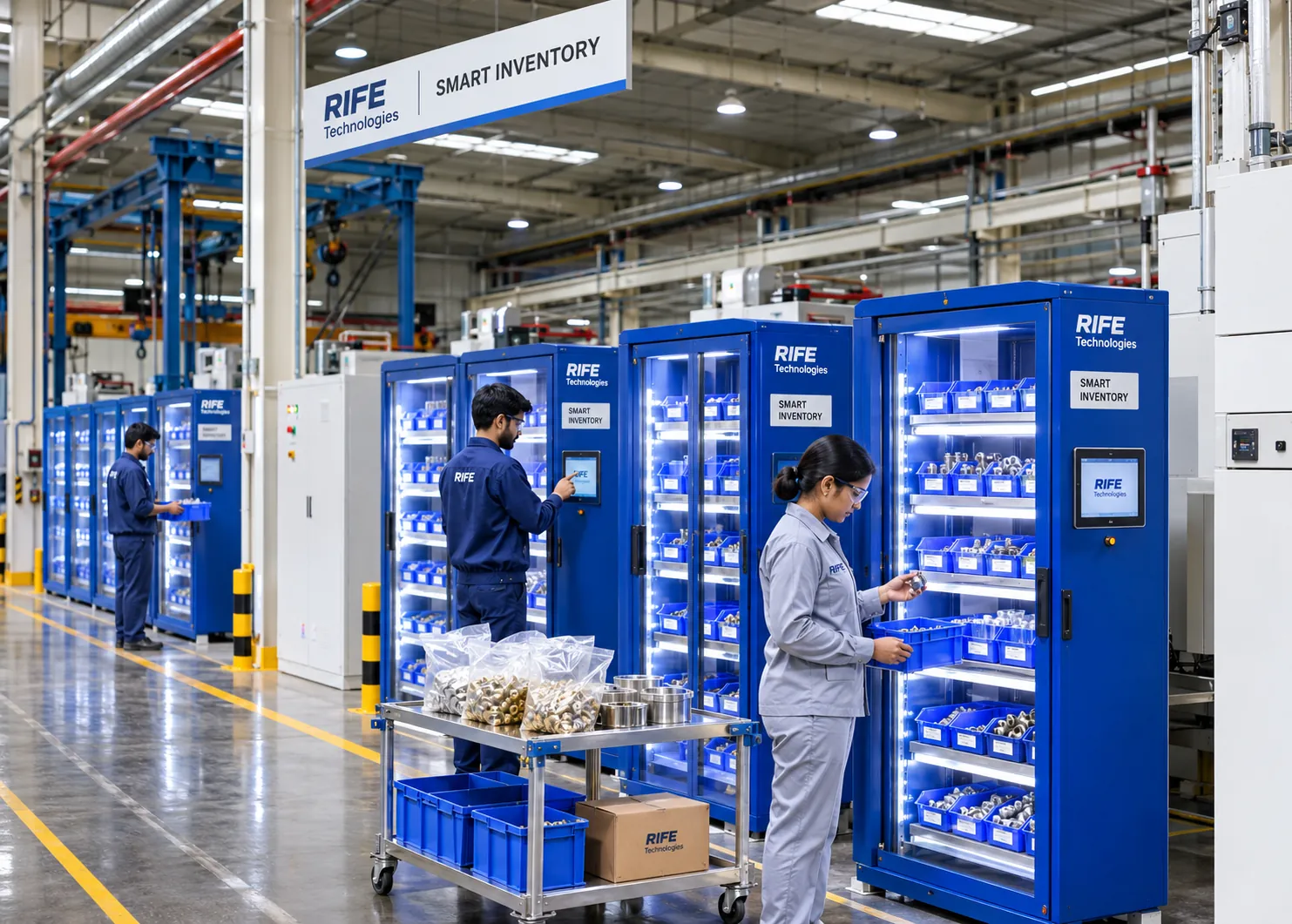
A few missing parts can interrupt an entire shift. Better line-side visibility turns reactive stock checks into planned replenishment.
The line-stoppage problem is usually local
Central stores may still have stock while an assembly workstation has run out. Operators then leave their stations, call for urgent replenishment or substitute a part. Those interruptions create avoidable handling, uncertainty and pressure on purchasing. A practical monitoring project starts by identifying the most disruptive missing items rather than placing sensors on every product indiscriminately.
ERGO weighs known materials at defined storage positions. A low-stock threshold can flag the exact line-side bin or shelf before it empties. Stores staff see the location, item and quantity rather than walking a circuit solely to discover shortages.
Line-side Kanban without missed cards
Traditional two-bin replenishment works well when people consistently move the empty container or card. During busy shifts the signal may be delayed, lost or overlooked. A weighing bin can issue a digital refill signal when the calculated count reaches a configured threshold, reducing dependence on a manual handoff.
For a production cell, keep one known SKU per measuring position, establish container tare and unit weight, and define the normal withdrawal quantity. The right mounting and sensor range should be tested around real operator movement and vibration.
Smart tool cabinets for accountable access
Cutting tools and other high-use consumables may be better placed in locked drawers or cabinets than open bins. RFID or PIN access can identify the operator. In an appropriate weighing compartment, the change in quantity during that controlled session becomes a user-linked transaction.
Returnable tools follow a distinct issue-and-return workflow rather than being inferred from their weight alone. This is where a dedicated smart tool crib can combine multiple storage formats, permissions and management reports.
Replenishment belongs to a named owner
Stock data helps only when someone is responsible for responding. Manufacturing deployments should define which user receives an alert, how refills are prioritized, how exceptions are reconciled and when purchasing is notified. The inventory system can group shortages by zone, rack and supplier.
Start with a high-consumption pilot: select representative items, configure positions and record real picks and refills. Compare system counts against physical stock, refine thresholds, then extend the approach to other lines.
Pilot acceptance across real production shifts
A manufacturing pilot should include representative stock at the selected line, actual operator picks, the normal refill route and a full shift of machine activity. Review whether the alert reached the right stores user in time and whether the counted stock matched physical quantities at agreed checkpoints. Assess the impact of vibration, bins being moved and unplanned additions of materials. A successful deployment must include a clear owner for item data, sensor calibration and correcting exceptional readings. Once the first line is working, expand by part family or workcell using consistent labels and replenishment responsibilities.
Start with the right storage technology.
Choose the format for the stock and users first. Sensing, access controls and inventory reporting can be configured around the approved material and workflow.
Frequently asked questions
Can we start with one production line?
Yes. A pilot can cover selected bins or rack positions for high-consumption parts, with real shift testing before expansion.
How does it help prevent line stoppages?
Configured reorder thresholds highlight the line-side position needing stock, allowing stores staff to refill before the materials are exhausted.
Keep the line moving with monitored stock.
Share your item list, locations, access requirements and replenishment challenges. We can review a suitable smart inventory configuration.
Request a Configuration ↗